
For students preparing to enter engineering colleges, choosing an institution has traditionally involved comparing JEE ranks, admission cut-offs, placement records and college reputation. IITs and other established engineering institutions have long been among the preferred choices. However, changing technology requirements are introducing new questions into this decision.
As artificial intelligence becomes increasingly important across the technology industry, students are beginning to examine what their engineering education will actually teach them. Alongside institutional reputation, curriculum relevance, coding experience and exposure to emerging technologies are becoming important considerations. This is bringing AI-first engineering institutions into the discussion around undergraduate education in India.
What AI Means for the Future of Engineering Careers
The skills expected from engineering graduates are changing as companies incorporate artificial intelligence into their development processes. AI-powered tools can now assist with several routine activities, including coding and debugging. This is shifting attention towards abilities that require deeper technical understanding, such as problem-solving, system design and evaluating the accuracy of AI-generated outputs.
A recent analysis of how AI is slowing junior tech hiring and raising the bar for engineering graduates in India discusses the challenges this creates for engineering graduates and the education system.
For students entering engineering programmes, this means understanding technology will require more than learning programming concepts. They will also need opportunities to work with machine learning, generative AI, software development and practical applications of emerging technologies.
Engineering colleges must therefore consider how these subjects fit into their undergraduate programmes. Introducing AI only as an elective may not provide the practical exposure students need. Regular coding practice, project work and real-world applications can help bridge the gap between academic learning and industry requirements.
Why Students Are Exploring Engineering Colleges Beyond Traditional Rankings
College selection is gradually becoming a broader evaluation process. While institutional reputation continues to influence admission decisions, students are also considering the kind of academic and technical experience they will receive.
This shift is reflected in the growing attention towards specialised technology institutions.
A recent report examining why students with international university offers and strong JEE scores are choosing Polaris School of Technology over Ivy League colleges presents the experiences of three students with different academic backgrounds.
Their choices provide examples of how students can weigh practical learning and technology exposure alongside the reputation of an institution.
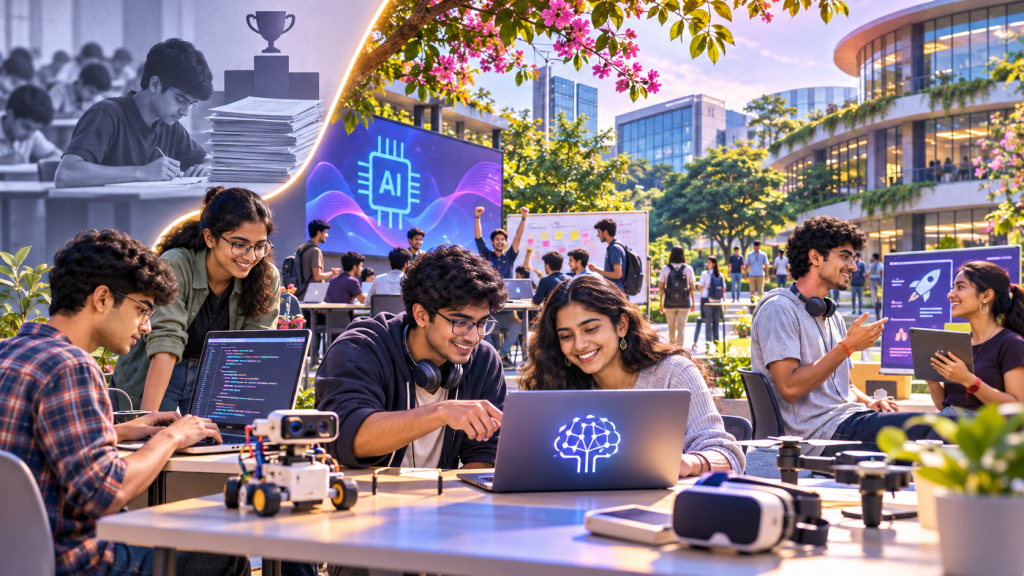
At Polaris School of Technology (PST), Bengaluru, students encounter an AI-driven curriculum alongside hands-on coding, hackathons, entrepreneurship and industry engagement from the early stages of their undergraduate education.
This approach places practical technology development within the learning experience. Rather than limiting engineering education to classroom instruction, it emphasises opportunities to build and experiment with technology.
For students comparing the best engineering colleges beyond IITs, factors including curriculum relevance, mentorship and access to industry experiences have become an important part of the decision-making process.
AI-First Degrees Are Changing the Undergraduate Engineering Landscape
Students interested in computer science and artificial intelligence are also finding more specialised undergraduate options. AI-first programmes are rethinking conventional engineering education by incorporating emerging technologies into the curriculum from the beginning.
Previously, students who did not secure IIT CSE admission often considered their alternatives through conventional engineering branches and college rankings. The expansion of specialised technology programmes is introducing another route for students who want to pursue careers in AI and related fields.
A report on how AI-first undergraduate programmes are opening new pathways for students who did not secure IIT CSE discusses this changing educational landscape.
Institutions such as Polaris School of Technology (PST) are part of this emerging category. PST’s approach places emphasis on programming, machine learning, AI applications, open-source contributions and industry-oriented projects.
Its focus is not only on teaching students to use new-age technologies but also on enabling them to build products and solve problems by using them.
How to Choose the Right Engineering College for an AI-Driven Career
With more attention being given to AI-focused education, students and parents need to examine the academic experience offered by different institutions instead of just rankings and cut-offs.
Some important factors include:
- AI-first curriculum: Does the programme cover artificial intelligence, machine learning and emerging technologies as part of its core subjects?
- Hands-on coding experience: Will students have opportunities to develop software and complete technical projects from the first semester?
- Industry exposure: Are internships, practical assignments and industry projects included in the learning experience?
- Mentorship: Can students interact with technology professionals, founders and experienced engineers?
- Innovation and entrepreneurship: Does the institution support experimentation, product development and startup opportunities?
These considerations can help students understand whether an engineering programme aligns with their academic interests and career aspirations.
As the technology industry continues to evolve, selecting an engineering college is becoming a more detailed decision. Students need to consider not only where they study but also what they learn and how they apply that knowledge. The ability to build technology, approach complex problems and work with emerging tools will remain important as AI reshapes engineering careers.